

San Diego Dental Health Center UCSD
Periapical Radiolucencies
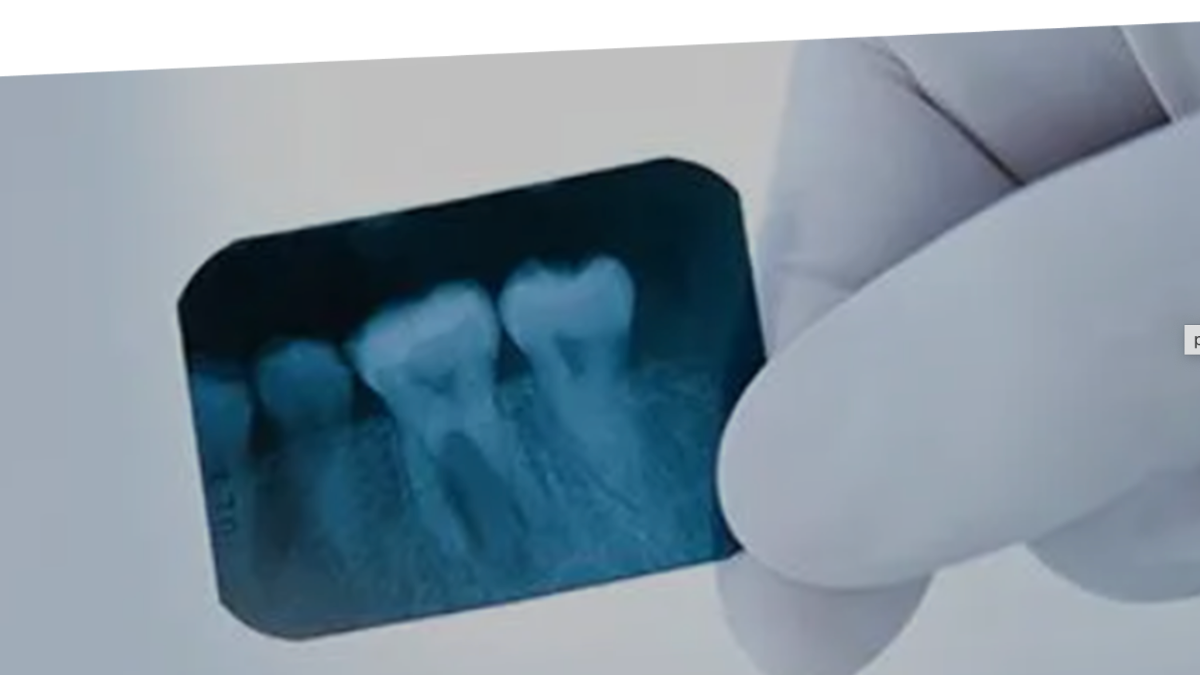
- Radiology
- Pathology
Dentoflow AI summary
This course on periapical radiolucencies equips dental professionals with essential knowledge of radiological features and differential diagnoses.
About this training
Content
Most periapical radiolucencies result from inflammation such as pulpal disease due to infection or trauma. Not all radiolucencies near the tooth root stem from infection. Odontogenic or non-odontogenic lesions can overlie the apices of teeth. Disease related to the tooth may spread to adjacent tissues including the sinuses, orbits, deep fascial spaces of the neck, and intracranial structures. Periapical radiolucency near the apices may appear in the setting of systemic conditions, benign neoplasms, or malignant neoplasms. Familiarity with the radiological features and differential diagnoses of diseases or conditions that cause radiolucency around the apex of the tooth results in appropriate referral and prompt diagnosis, management, and treatment.
Goals
This course helps you learn about the familiarity with the radiological features and differential diagnoses of diseases. Most of periapical radiolucencies are the result of inflammation such as pulpal disease due to infection or trauma. Not all radiolucencies near the tooth root are due to infection. Odontogenic or non odontogenic lesion can over imposed with the apices of teeth. Familiarity with the radiological features and differential diagnoses of diseases or conditions that cause radiolucency around the apex of the tooth results in appropriate referral and prompt diagnosis, management, and treatment. Early recognition and appropriate treatment of infectious, benign or malignant processes will result in improved clinical outcomes.
Prerequisites
General knowledge of dentistry and patient care
Included
Frequently asked questions
What causes most periapical radiolucencies?
Most periapical radiolucencies are the result of inflammation such as pulpal disease due to infection or trauma.
Are all radiolucencies near the tooth root due to infection?
No. Odontogenic or non-odontogenic lesions can overlie the apices of teeth.
What practical benefit comes from recognizing the imaging features?
Familiarity with the radiological features and differential diagnoses results in appropriate referral and prompt diagnosis, management, and treatment.